China's First Dedicated AI-Agent Rules Take Effect, Targeting Healthcare, Transport, and Media中国首个AI智能体专项监管框架7月15日正式生效,聚焦医疗、交通与媒体领域
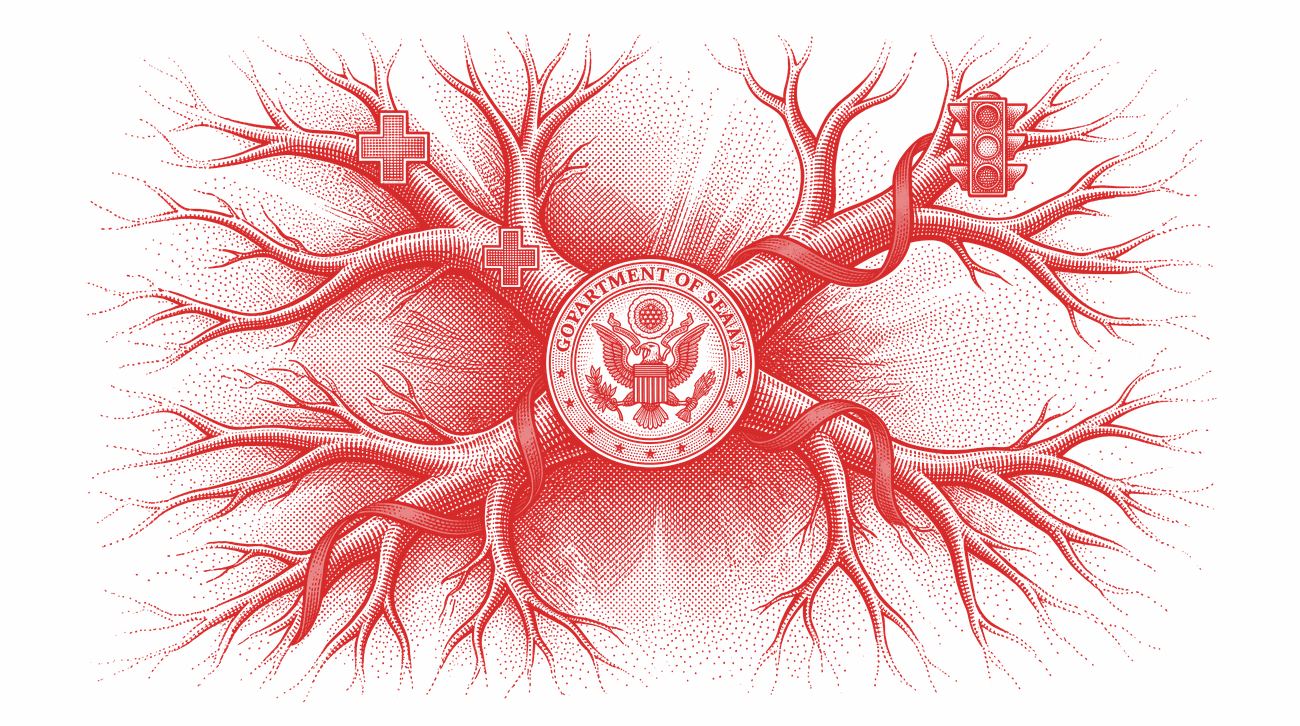
The CAC, NDRC, and MIIT's Implementation Opinions on the Standardized Application and Innovative Development of Intelligent Agents became effective on July 15, 2026. The rules define AI agents as systems capable of 'autonomous perception, memory, decision-making, interaction, and execution' — a definition broad enough to capture most agentic products now on the Chinese market.
Agents used in healthcare, transportation, media, and public safety face the highest compliance burden: mandatory algorithm filing with the CAC, security assessment, and product-recall provisions. The framework also sets a policy target of 70% adoption of intelligent agents in smart terminals by 2027, signaling Beijing's intent to accelerate deployment even as it tightens controls on sensitive sectors.
This is China's first regulatory framework to treat AI agents as a distinct category separate from generative AI, a structural shift that will require companies like Baidu, ByteDance, and StepFun — all of which have live agentic products — to file separately for their agent offerings.