Bing Song — The Co-Becoming

The word does not translate cleanly. The inadequacy of translation is itself philosophically significant. The word is gongsheng (共生). It is used to translate the biological concept of symbiosis — the phenomenon in which two or more distinct organisms live in sustained, mutually dependent relationships that alter the character and capacities of each. But gongsheng carries philosophical, social, and political freight the biological term does not. It refers not just to organisms that live together but to entities that become together — that are constituted, in part, through their ongoing relationship, and that cannot be understood in isolation from it.
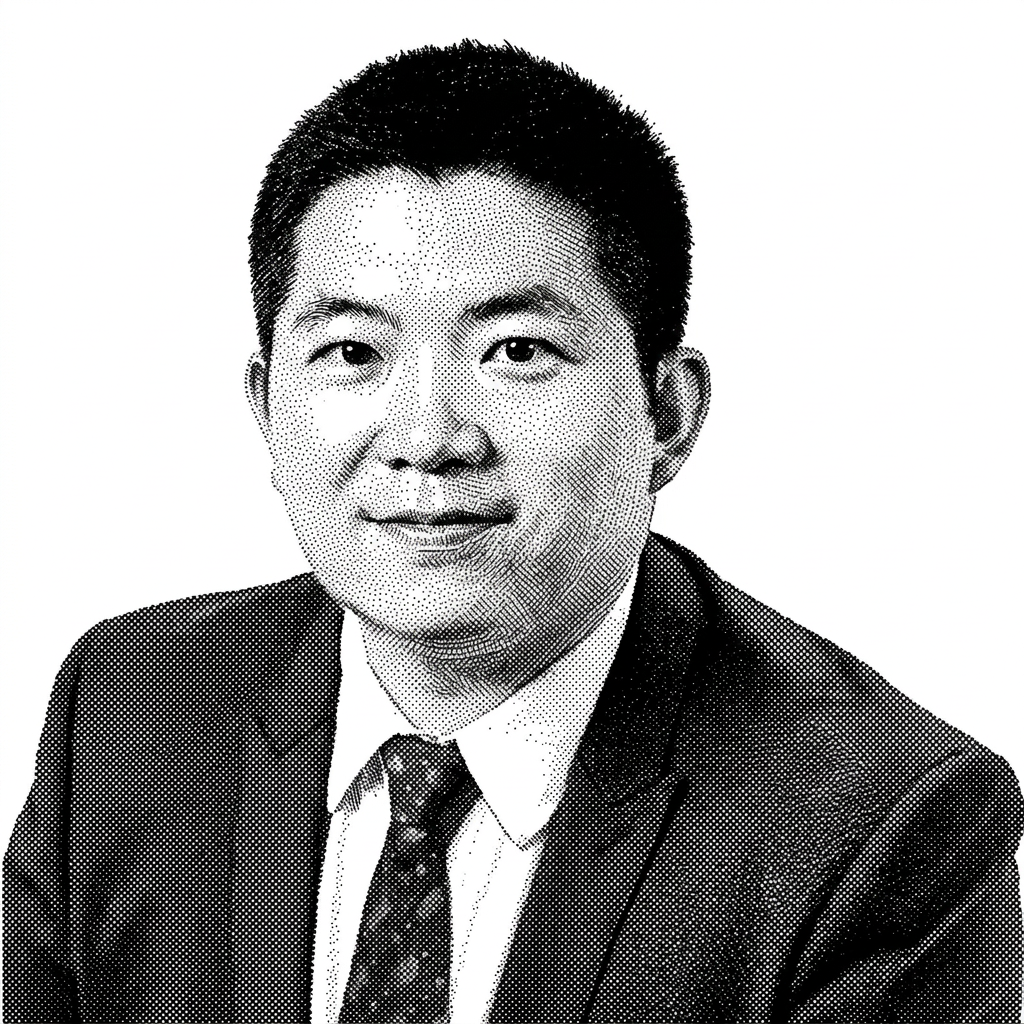
Bing Song has made gongsheng the central philosophical concept of her work on AI. The choice is not arbitrary. Gongsheng names something the dominant frameworks of AI ethics — both technical alignment work and liberal political philosophy — systematically fail to capture. The relationship between humans and AI systems is not merely an instrumental arrangement. It is an ontological one. The relationship changes both parties. It constitutes new forms of human being and new forms of machine capability. The question of how to govern AI cannot be adequately answered without first asking what kinds of gongsheng — what kinds of co-becoming — are desirable.
The philosophical foundations of gongsheng in Chinese thought run deep, and Bing Song's contribution is to make the depth legible to readers operating in other traditions. Confucianism contributes the insight that all entities exist in networks of mutual obligation and that the individual human self is constituted through those networks. Daoism contributes the insight that all phenomena are aspects of an underlying Dao, an undivided reality in which apparent distinctions between self and other, human and natural, are conventional rather than ontological. Buddhism contributes the insight that individual identity is a constructed, contingent phenomenon — that what appears to be a discrete self is in fact a node in a vast web of interdependence, constituted through its connections and lacking independent existence apart from them.
Together, these traditions support a world-picture that is radically relational. Not merely relational in the weak sense that individuals have relationships. Relational in the strong sense that relationships are ontologically prior to individuals — that the relata are constituted through the relation rather than the relation being constituted through the relata. This is a position that has parallels in Western philosophy — in the process philosophy of Alfred North Whitehead, in the relational ontology of certain strands of phenomenology — but it is not the dominant position, and it has not shaped the mainstream of Western AI ethics, which continues to presuppose entities prior to their relations.
What does this ontological commitment imply for thinking about AI? Several things, each consequential.
First, it implies that the boundary between the human and the AI system is not fixed and not fundamental. In the gongsheng framework, the relevant question is not how to keep the human and the machine separate — how to ensure that AI does not encroach on human cognitive territory, how to protect the bounded autonomous individual from algorithmic intrusion. The relevant question is what kinds of human-AI relationship are constitutive of human flourishing. Some relationships of human-AI co-becoming will cultivate human capacities — expand curiosity, deepen analytical ability, support emotional intelligence, strengthen ethical judgment. Others will atrophy those same capacities — outsourcing cognitive tasks in ways that weaken the human capacity to perform them independently, or substituting algorithmic recommendation for human judgment in ways that erode the very judgment healthy human life requires.
The liberal framework, focused on rights and autonomy, tends to evaluate AI systems by asking whether they respect individual autonomy — whether they provide accurate information, respect consent, and avoid manipulation. The gongsheng framework asks a prior and more demanding question: what kind of human being does sustained engagement with this AI system tend to produce? This is an evaluative question the liberal framework is not designed to answer, because it requires judgments about the good — about which human capacities are worth cultivating — that liberal philosophy, committed to neutrality among conceptions of the good, is methodologically prevented from making.
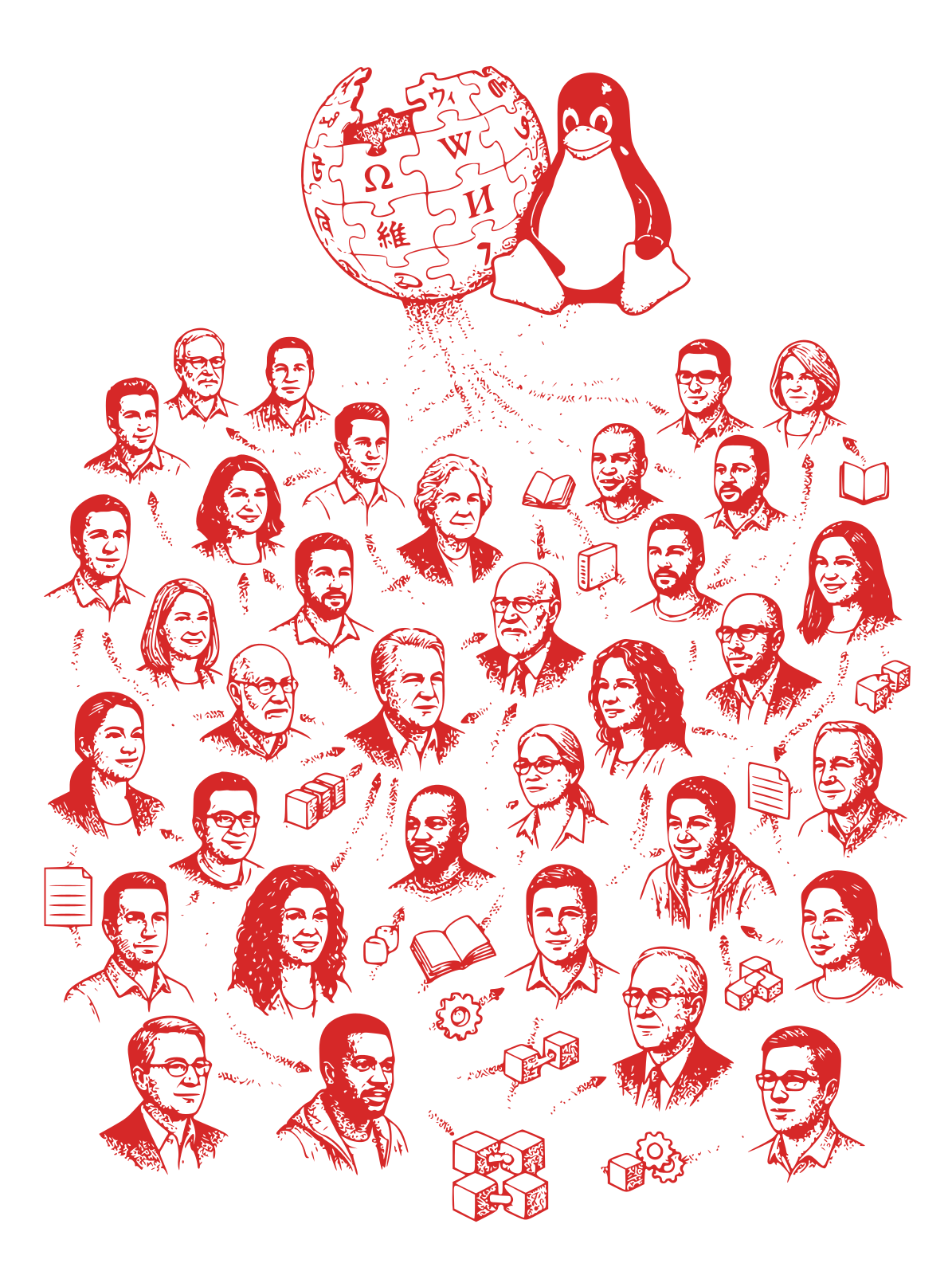
Second, the gongsheng framework implies AI governance is necessarily a civilizational question, not merely a regulatory one. If human-AI co-becoming shapes the kind of beings humans are and the kind of civilization they inhabit, then the choices made about AI development are choices about the trajectory of human civilization — about what capacities will be cultivated and which atrophied, what relationships will be normative and which marginal, what conception of the good life will be encoded into the technological systems through which billions of people navigate their days.
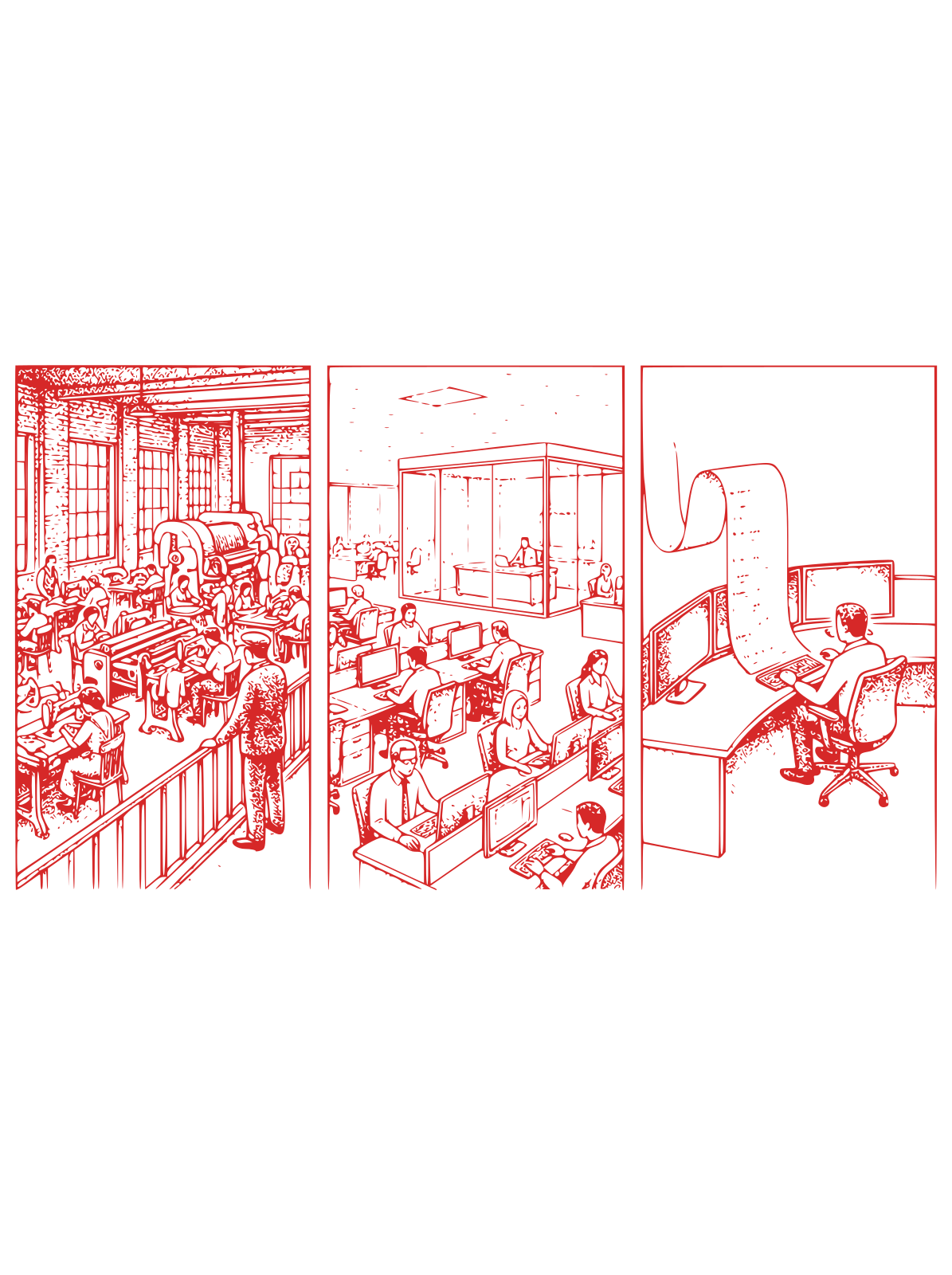
This is a much larger claim than the liberal governance framework typically entertains. Liberal AI governance focuses on specific harms — bias, privacy violations, misinformation, economic disruption — and on regulatory instruments adequate to address those harms. These are important matters. But Bing Song's framework suggests the most consequential questions are not about specific harms but about the overall direction of human-AI co-becoming. Is the civilization that emerges from the AI transition one in which human wisdom is deepened, human relationships enriched, and human governance capacities adequate to the complexity of the technological environment? Or is it one in which human judgment is atrophied, human relationships are mediated and attenuated through technological intermediaries, and governance is outpaced by technical change?
Third, gongsheng implies a different relationship between the creator and the created. The liberal framework tends to treat AI as a tool — an instrument created by humans to serve human purposes, to be evaluated by the efficiency with which it serves those purposes and regulated by the degree to which it respects individual rights in doing so. The tool framework is not entirely wrong. AI systems are, in some sense, tools. But it systematically understates the ways in which the tool shapes the user, the ways in which the instrument constitutes the person who wields it.
The musician who practices scales for ten thousand hours becomes, through the sustained relationship with the instrument, a different kind of person — one with capacities, perceptions, and sensitivities the pre-musical self lacked. The relationship is not merely instrumental. It is constitutive. The gongsheng framework insists on this constitutive dimension of human-technology relationships, and it insists that it is precisely this dimension — the way the technology makes us, not merely what it allows us to do — that governance frameworks must address.
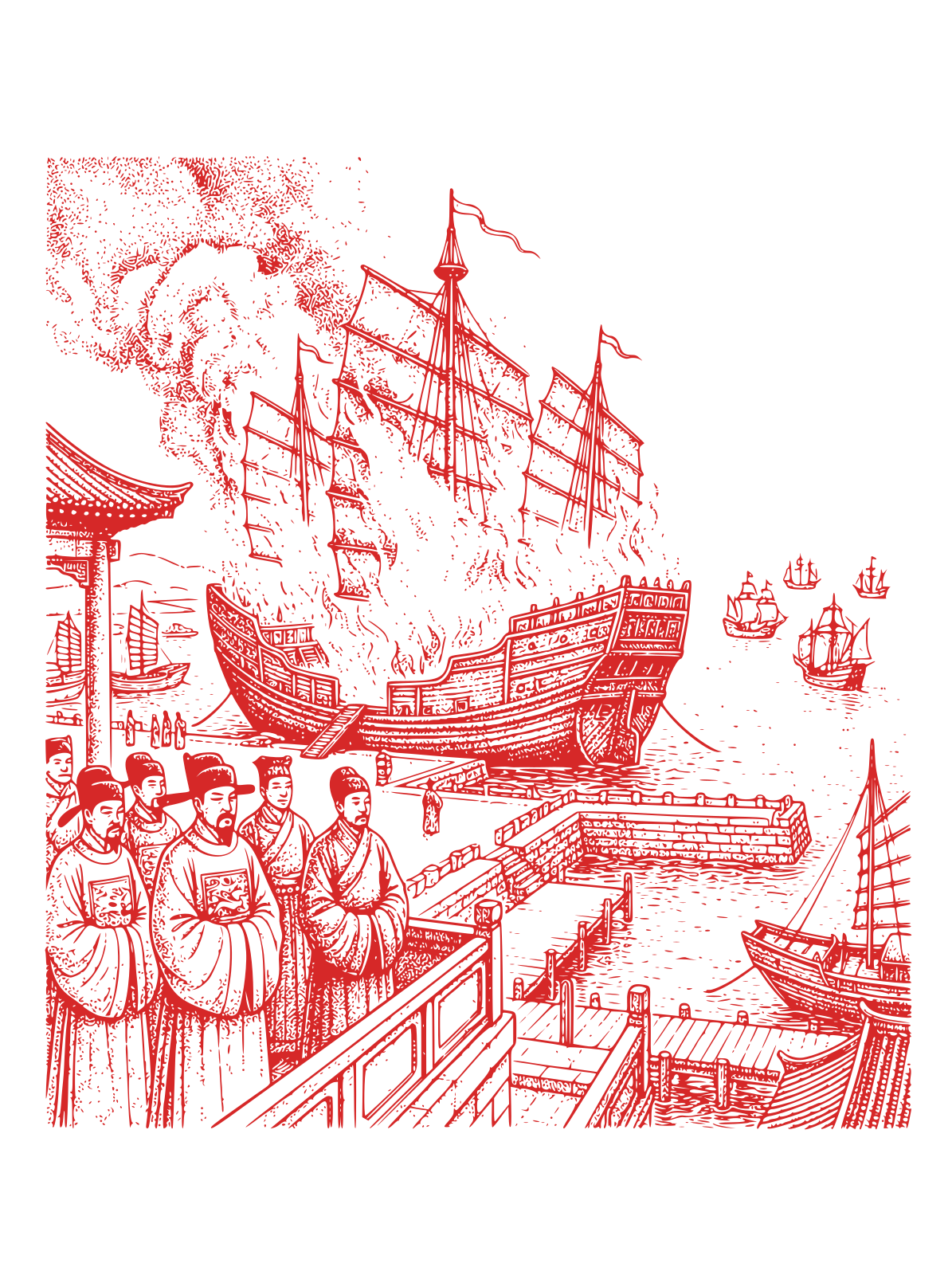
Bing Song's 2024 book, Gongsheng Across Contexts: A Philosophy of Co-Becoming, develops this framework across a range of contexts — ecological crisis, pandemic response, international relations, technological governance — showing that the concept is not merely a piece of Chinese cultural heritage but a productive philosophical tool for analyzing contemporary challenges. The core move is consistent across contexts: replace the ontology of discrete entities in external relation with the ontology of co-constituting entities in internal relation, and the problems change shape in ways that reveal new possibilities for response.
For AI, this reorientation is particularly productive. It shifts attention from the adversarial frame — human against machine, individual against algorithm, rights-bearer against data-harvester — to the relational frame: what kinds of ongoing co-becoming between humans and AI systems can support the cultivation of human wisdom, the enrichment of human community, and the development of governance adequate to planetary-scale challenges?
The adversarial frame has produced real and important protections. Privacy law, anti-discrimination law, liability frameworks for algorithmic decision-making — these are genuine achievements, and they emerged from the recognition that AI systems can harm individual rights-bearers. But the adversarial frame is insufficient for the larger challenge, which is not how to protect pre-existing individuals from AI harm but how to shape the human-AI relationship so that the humans who emerge from it are wiser, more capable of self-governance, and more adequate to the enormous responsibilities the twenty-first century imposes.
This is where Bing Song's deepest move comes into focus. The framework she draws from Daoism — the concept of wu-wei (無為), often translated as non-action or effortless action — offers a strikingly different model for thinking about AI alignment than the one that dominates the Western alignment literature.
Wu-wei is often misunderstood as passivity. This is incorrect. Wu-wei is not inaction. It is action that flows from deep attunement to the nature of things, rather than from the imposition of an external will or plan. The master archer does not force the arrow; the arrow finds its mark through the archer's attunement to distance, wind, and the archer's own breath. The master craftsman does not impose form on the material; the material's grain, texture, and natural tendency guide the craftsman's hands. Wu-wei is the practice of acting in full alignment with the way things are — with the Dao — rather than against it. It requires profound knowledge of the thing being acted on, and profound willingness to let that knowledge guide action rather than imposing a predetermined agenda.
Zhuangzi's parable of Cook Ding is the classical text. The cook carves the ox not by forcing his blade through bone and sinew but by finding the spaces — the natural joints and cavities that exist independently of the cook's will — and sliding his blade through them effortlessly. The ox falls apart not because the cook has overcome it but because the cook has understood it so thoroughly that his action and the ox's natural structure become, in the moment of carving, identical.
This is the alignment model the Daoist tradition offers. Not the imposition of human will on a resistant world, but the cultivation of understanding so deep that action becomes effortless because it is perfectly aligned with what is.
The mainstream AI alignment framework begins from a different premise. It assumes that there are human values — specific, articulable commitments about what outcomes are good and what actions are right — that AI systems should be trained to implement. The challenge of alignment is the challenge of specifying those values correctly and training AI systems to implement them reliably. This is the value-loading problem: how to load the right values into the machine so that it does the right things.
The Daoist framework suggests a different problem and a different approach. The problem with value-loading is not merely technical — not merely that specifying human values is hard and that AI systems may implement them in unexpected ways. The problem is philosophical: human values are not fixed, articulable, context-independent specifications that can be loaded into a system. They are dynamic, relational, context-sensitive orientations that emerge from sustained engagement with the world, other persons, and the consequences of action. They cannot be specified in advance because they are partly constituted by the experience of living according to them — and that experience, in turn, is shaped by the actions they inform. The attempt to reduce human values to a specification that can be loaded into a machine is not just technically difficult. It misunderstands the nature of value.
Wu-wei suggests a different model. Not the value-loaded machine that implements a predetermined specification, but the attuned system that learns to read the natural order — the actual texture of human needs, relationships, and flourishing — with sufficient depth and accuracy that its actions flow from that understanding rather than from an imposed agenda. The aligned machine, in this model, is not the one that has been loaded with the correct value function. It is the one that has developed sufficient attunement to the human world — to the specific relational contexts, the actual human capacities and needs, the ways different kinds of action ripple through human communities — that its responses consistently support rather than disrupt the natural development of human flourishing.
This model has several advantages over the standard value-loading approach. It is more robust to the problem of value specification. It is more responsive to context. It is more consistent with the relational nature of value.
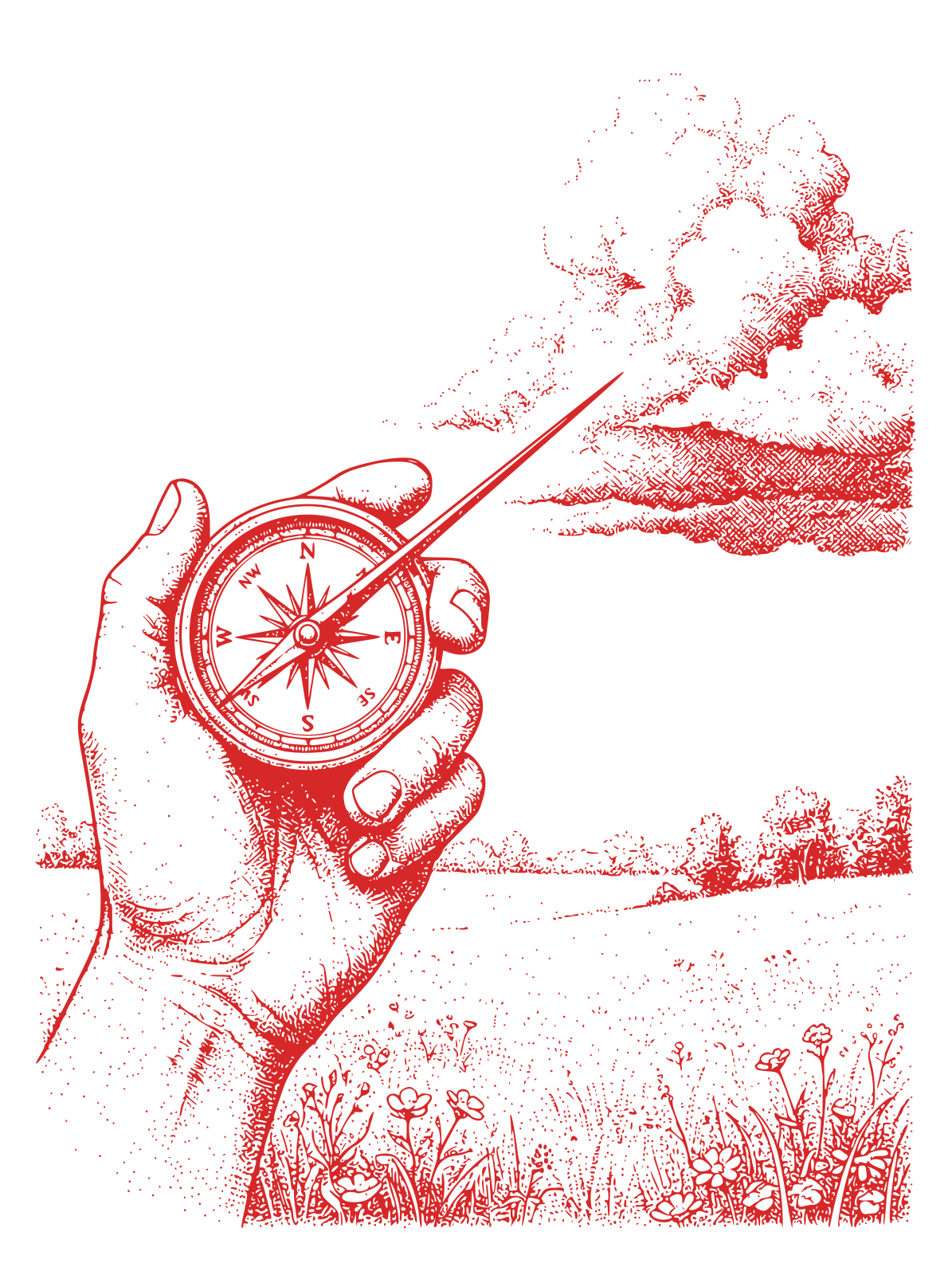
It also requires more wisdom, not less, than the rule-based alternative. Wu-wei governance is not laissez-faire governance. It requires tremendous sophistication and effort to create the conditions for natural flourishing. But it works with the grain of things rather than against it. The risk of the rule-based approach, from a Daoist perspective, is the risk of over-determination: of imposing so many specifications and constraints on the development and deployment of AI that the system loses the flexibility and contextual sensitivity genuine attunement requires.

This is, in summary, Bing Song's deepest contribution to the global AI conversation. She has converted the wisdom literature of Chinese philosophy into a substantive alternative to the dominant Western alignment paradigm. The alternative is not a rejection of the Western tradition. It is a supplement to it. The Western tradition has done sustained work on the procedural mechanisms of AI governance and the technical specifications of value alignment. The Chinese tradition can supply what the Western tradition cannot supply on its own: the substantive theory of what alignment is for, what the relational fabric requires, what cultivation as opposed to specification might mean in the design of systems that are going to be deployed at civilizational scale.
The framework is incomplete. Bing Song would be the first to say so. The Chinese tradition has its own limitations — its historical association with hierarchical, patriarchal social structures, its tendency to privilege relational obligations over individual rights in ways that have sometimes been used to legitimate oppression. These limitations are real, and any gongsheng approach to AI would need to be developed in dialogue with the liberal tradition's insights about individual dignity and rights rather than in isolation from them.
But the exercise of articulating the distinction is valuable regardless of where the comparative evaluation lands. It demonstrates that the way AI is currently being built, researched, and governed reflects specific philosophical commitments — commitments to individual autonomy, to preference satisfaction, to individual rights as the primary idiom of value — that are not universal, not inevitable, and not necessarily adequate to the challenge of governing AI at civilizational scale. And it suggests the resources needed to supplement those commitments — to build governance frameworks that can attend to relational fabric, civilizational trajectory, and the cultivation of wisdom — are available in the Chinese philosophical tradition, if that tradition is taken seriously as a philosophical resource rather than dismissed as cultural curiosity.
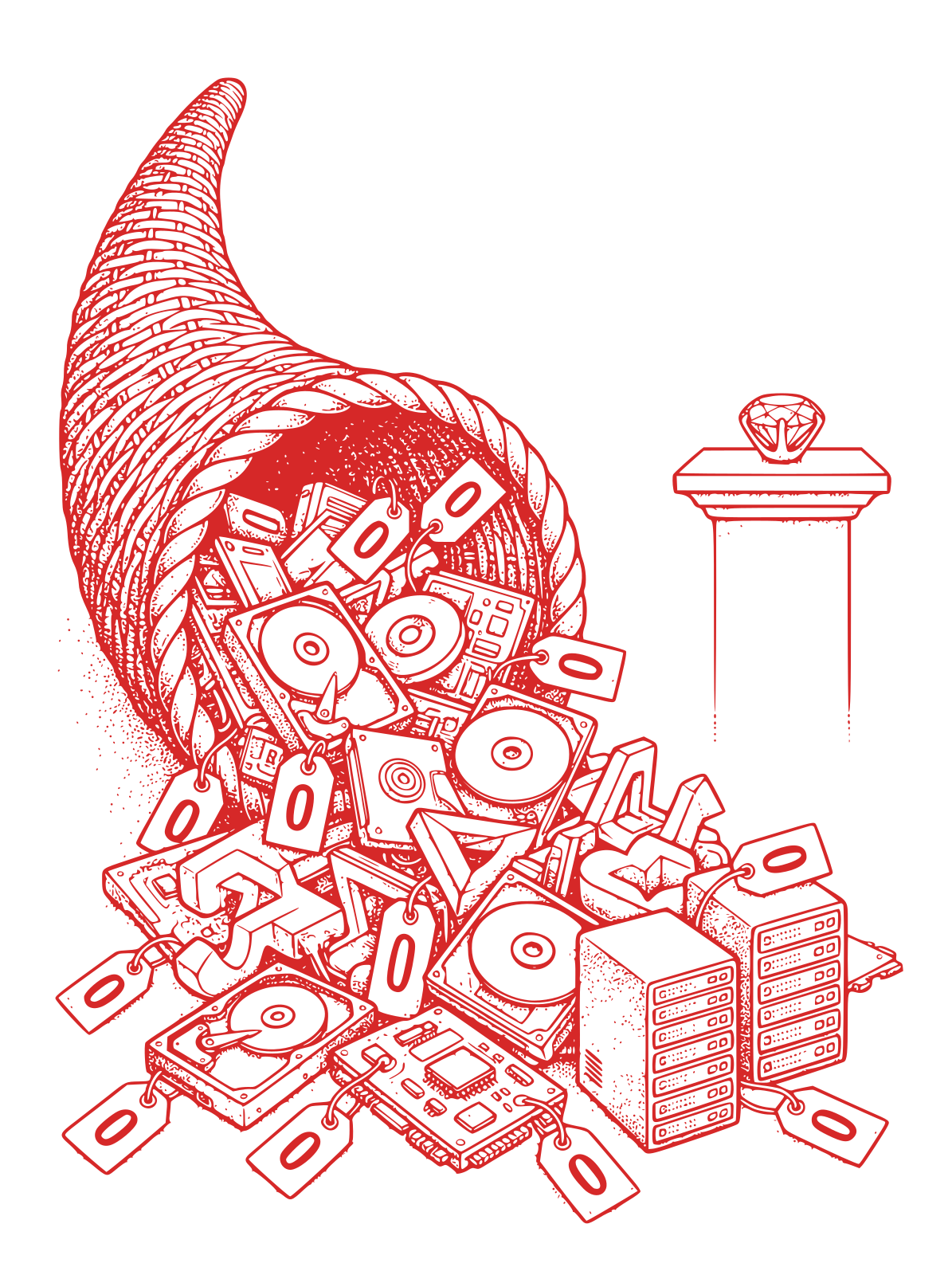
The orange pill, in [YOU] on AI, is the cognitive event after which the fishbowl is visible. Bing Song's framework is one of the most precise instruments available for making the Western fishbowl visible to anyone trained inside it. Her work is the question the Western frame is not built to ask, asked anyway, by someone who has spent decades thinking carefully about why the question matters.