The Five Rooms, Surveyed
We have walked five pairings. Each pairing has revealed something neither thinker, alone, fully articulates. Each has produced both convergences that the rivers' separate framings made invisible and divergences that the rivers' separate framings could not have brought into focus. Five rooms. Five pairings. Five surveys of where the global AI conversation is actually situated when the actual voices are brought into actual conversation.
This chapter is the survey of the surveys. What has the reader learned that they could not have learned from reading either river separately?
The convergences are the first surprise. The discourse has been organized, for several years, around the assumption that the Chinese and American AI traditions are working on different problems with different goals through different methods producing different outcomes. The actual head-to-heads suggest a more complicated picture. Both rivers are trying to protect consciousness. Both rivers are building sovereign infrastructure. Both rivers are worried about power concentration — from opposite directions. Both rivers are racing against the same capability advancement trajectory. Both rivers are addressing, in their different vocabularies, structurally similar concerns about what the technology is for and what its deployment is doing to the civilizations on the receiving end.
Yi Zeng and Amodei are both trying to build AI architecture that earns the trust of the civilization deploying it. The substantive criteria differ. The procedural commitment to architectural responsibility is structurally similar.
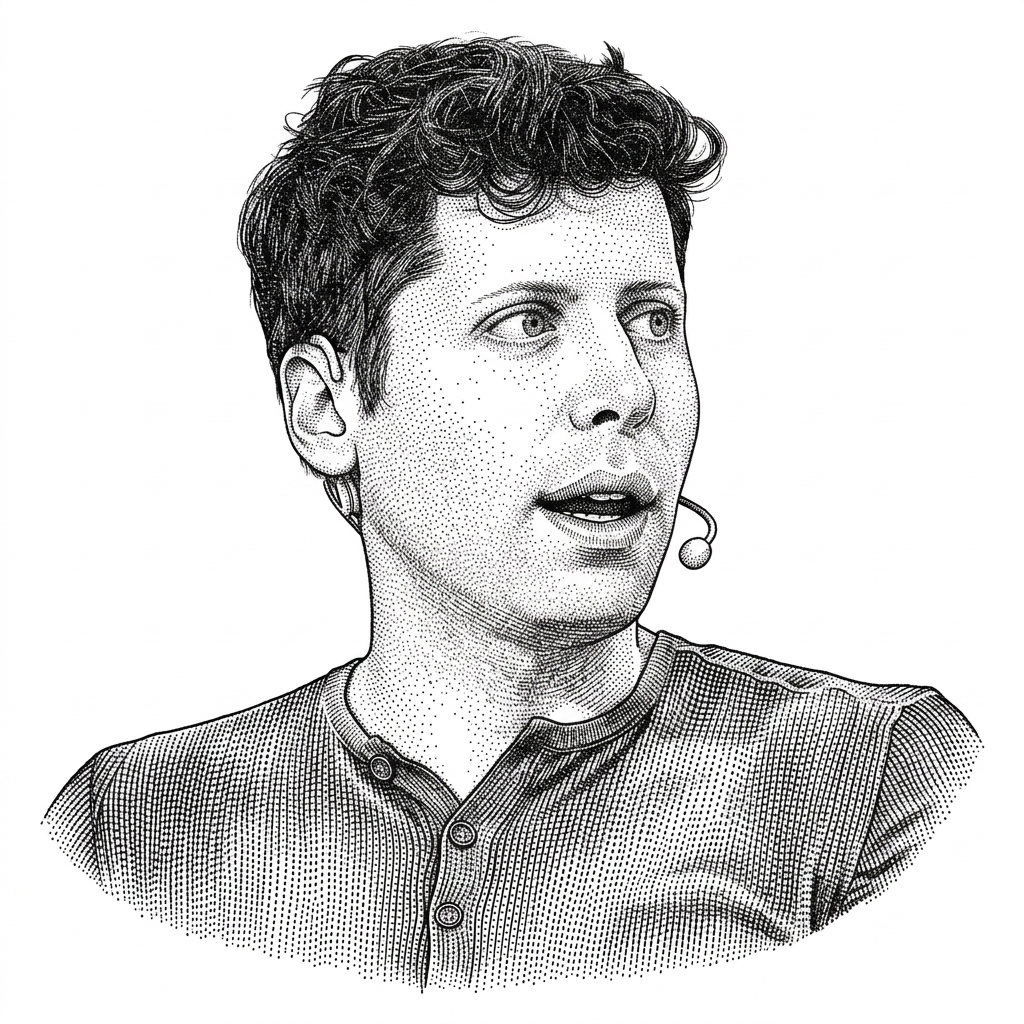
Bing Song and Altman are both trying to address the question of what AI is for. Bing Song says: AI is for the cultivation of the relational fabric through which flourishing is possible. Altman says: AI is for the dissolution of the economic constraint on individual flourishing. The substantive answers differ. The recognition that the question must be answered is structurally similar.
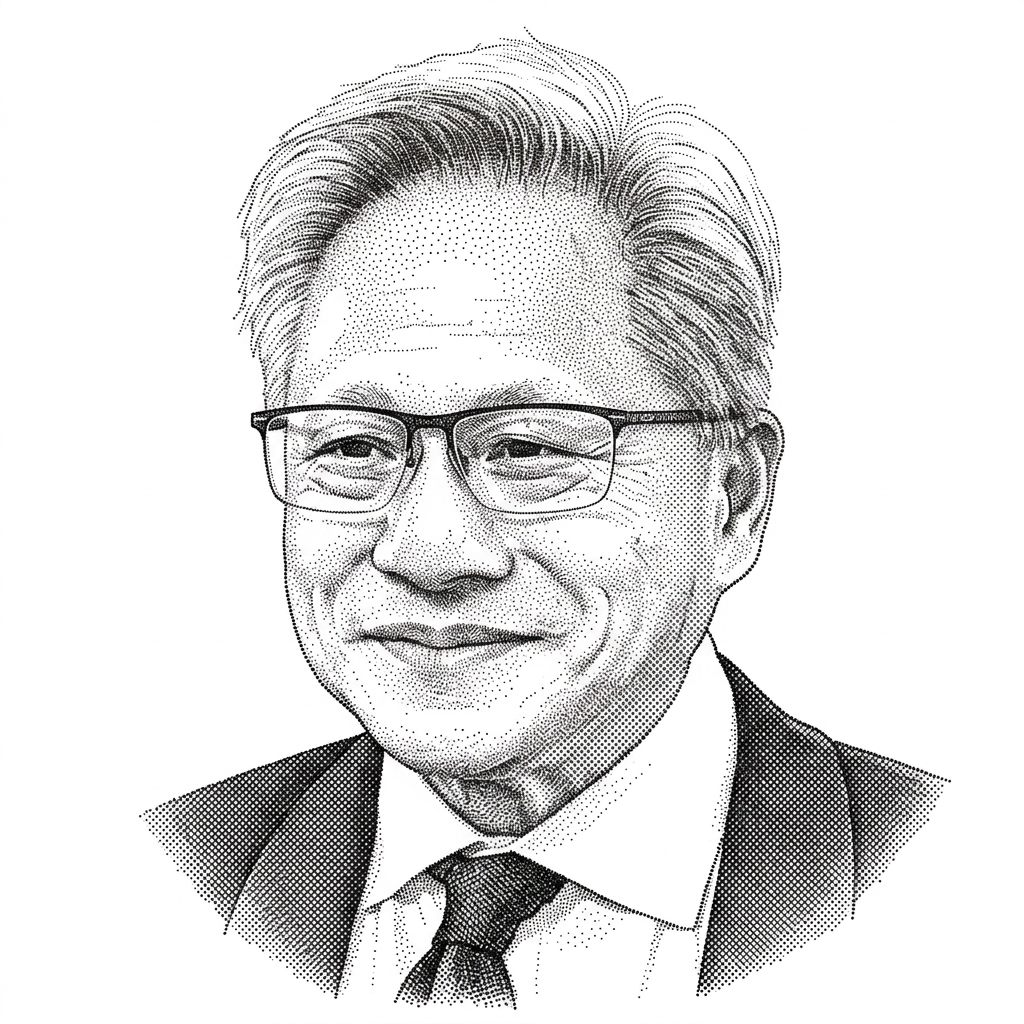
Zheng Yongnian and Huang are both producing the recommendation that nations must own their own AI infrastructure. Zheng arrives at the recommendation through a philosophical argument about the civilizational state. Huang arrives at the recommendation through a market argument about the buyer's interest. The same physical infrastructure is being built in both cases.
Lee and Musk are both protecting something irreducible to optimization. Lee identifies it as relational. Musk identifies it as individual. The recognition that something is irreducible and must be defended at the cost of significant resources is structurally similar.
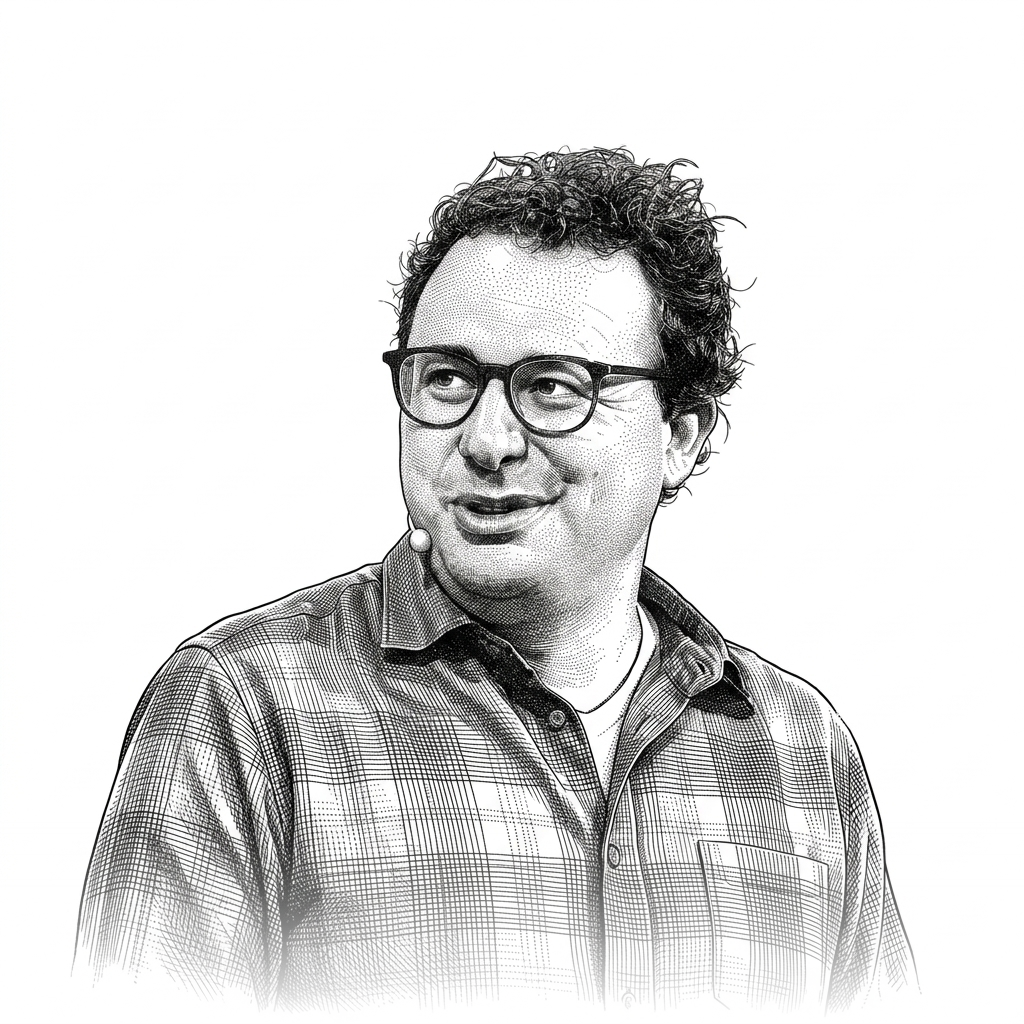
Zuckerberg and Li are both addressing the question of what AI infrastructure should be available to whom. Zuckerberg says: open weights, distributed to individuals, the aggregate of individual decisions produces the right outcome. Li says: closed proprietary stacks, optimized for civilizational service, the right substantive answer requires institutional capacity that distribution alone does not produce. The substantive answers differ. The recognition that the question of who AI is for is the load-bearing question is structurally similar.
The convergences are real. They suggest that the global AI conversation has been less divided at the deepest level than the surface framings have implied. Both rivers have arrived, by different paths, at similar recognitions of what the technology requires. The recognitions are articulated in different vocabularies and animated by different theoretical commitments. The underlying structural concerns are recognizably the same.
The divergences are the deeper surprise. The divergences cluster around two load-bearing questions.
The first is the unit of analysis. The Chinese voices, with structural consistency, treat the relational network — the family, the community, the civilization, the relational fabric — as the load-bearing unit. The American voices, with structural consistency, treat the autonomous individual — the user, the lab, the company, the nation, the model itself — as the load-bearing unit. The disagreement is not about whether individuals matter or whether relationships matter. Both rivers acknowledge that both matter. The disagreement is about which is load-bearing for the substantive evaluation of what AI is doing and what it should be doing.
The second is the theory of the good. The Chinese voices, drawing on the substantive philosophical tradition of Confucianism, articulate substantive conceptions of what flourishing requires — the cultivation of ren, the maintenance of he, the development of zhihui, the preservation of wenming. The American voices, drawing on the procedural tradition of liberal political philosophy, articulate procedural commitments to allowing individuals to pursue their own conceptions of the good — through markets, through democratic deliberation, through individual rights. The disagreement is not about whether the good exists. Both rivers acknowledge that there is something the AI should be in service of. The disagreement is about whether the something can be articulated substantively (the Chinese position) or whether it can only be addressed procedurally (the American position).
These two divergences — unit of analysis, theory of the good — are the load-bearing differences. They run through every specific disagreement the head-to-heads produced. They determine what the rivers' substantive answers are to the question of what AI is for, what AI should be optimized for, what AI should refuse to do, what AI should accelerate, what AI should slow down, and what AI should refrain from doing entirely.
The fishbowl framing applies at civilizational scale. Each river is shaped by assumptions so deep they are invisible from inside. The Chinese assumption — the relational network is the load-bearing unit, the good can be substantively articulated — is so deeply embedded in Chinese philosophical tradition that the Chinese voices in this book frequently do not register it as an assumption. They register it as the natural way of seeing the world. The American assumption — the autonomous individual is the load-bearing unit, the good can only be addressed procedurally — is so deeply embedded in American political tradition that the American voices in this book frequently do not register it as an assumption. They register it as the natural way of seeing the world.
Both rivers are fishbowls. Both rivers have produced extraordinary insight into the technology by working from inside their respective assumptions. Both rivers have structural blindspots that emerge from those same assumptions. Neither river can see the other clearly without the conscious effort of stepping outside its own assumptions, and the stepping is not easy because the assumptions are not, by default, visible.
The orange pill, in [YOU] on AI, is the metaphor for the cognitive event that makes the fishbowl visible. The pill is metaphorical. The pill is the act of recognizing that the assumptions you have been operating from are assumptions, not the universal default. The pill is the precondition for the bridge.
Both rivers need the pill. The American discourse needs to take the pill that reveals the Promethean fishbowl. The Chinese discourse needs to take the pill that reveals the Confucian fishbowl. The bridge between the rivers requires both pills to have been taken, by enough actors on both sides, that the conversation can be conducted from outside the assumptions of either river.
The conversation has not, in any sustained way, occurred. The book is one attempt to make the conversation possible by articulating both rivers' positions in vocabulary the other river can hear. The articulation is the prerequisite. The conversation is the work.
What this part of the book has done is bring the ten thinkers into pairwise conversation, on the questions where each pairing reveals what neither thinker, alone, fully articulates. The pairings have produced convergences (more than the discourse has acknowledged) and divergences (deeper than the discourse has registered). The combination — the convergence on the structural concerns, the divergence on the load-bearing variables — points to what the substantive conversation between the two civilizations would need to address.
The substantive conversation has not happened. The substantive conversation is what Part V is going to try to make audible. The substantive conversation is what the next decade of AI deployment is going to depend on, in ways that the institutional actors making the deployment decisions have not, to date, given adequate attention.
The five rooms have been surveyed. The pattern is now visible. The bridge is the next stop.
Keep climbing.